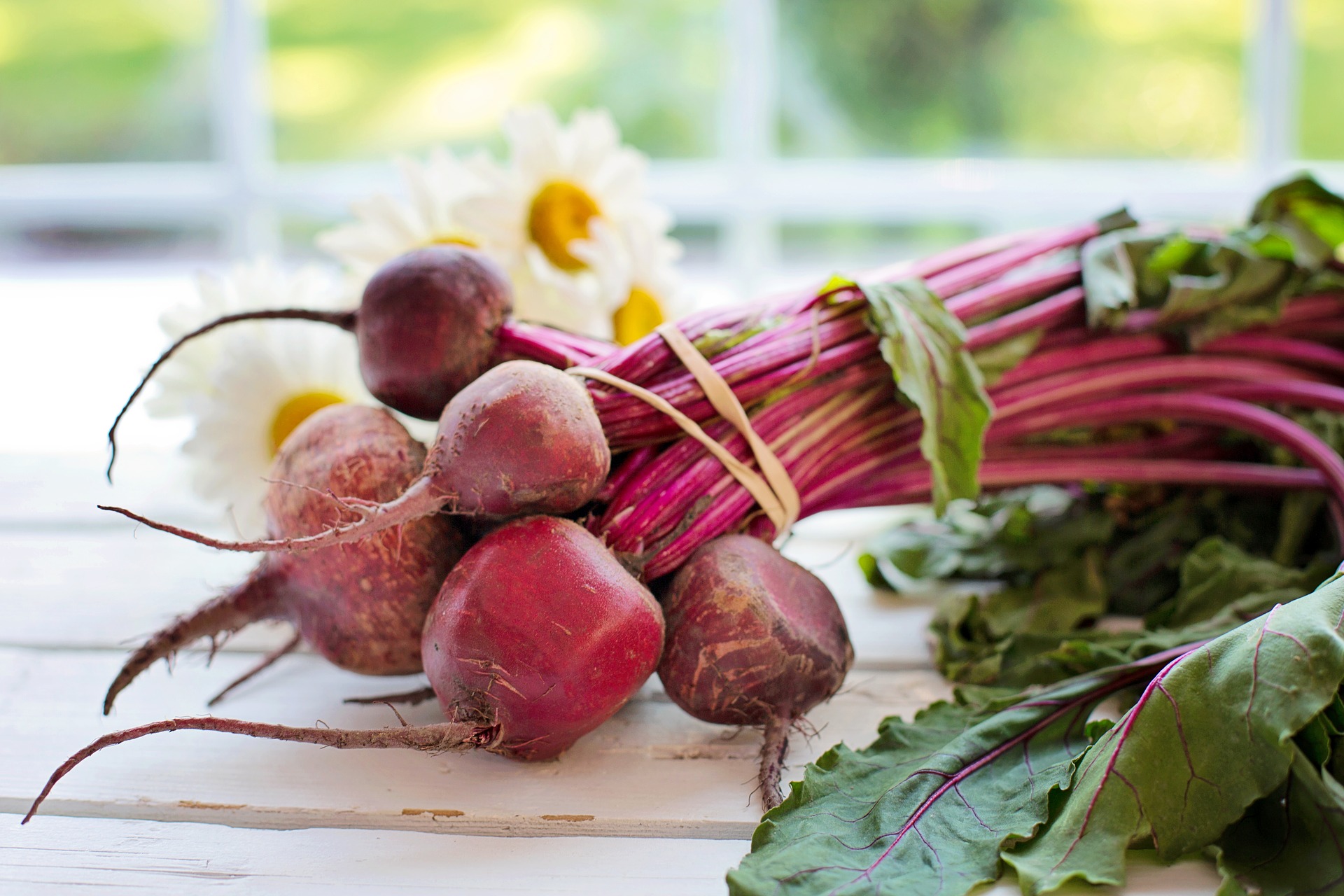
Organic food has been growing in popularity over the past few years. Look in any major supermarket and typically, you will now find a relatively small organic produce section.
Study after study not only shows that organic produce is more nutritious than regular produce, it is also safer to eat due to the decreased pesticide use and its utilization of natural farming practices.
However, with the current high cost of food, it can seem difficult for people to justify purchasing the more expensive organic foods.
However, there are ways to stretch your dollar and make organic food shopping not only easy but affordable too. All you need is a little creativity.
It’s worth it! Here are some basic tips on buying organic on a budget:
1. Avoid packaged “health” foods. Packaged foods are generally more expensive that produce. Chips, pizza and frozen treats cost much more than natural produce.
2. Buy in bulk. Organic produce will generally keep for a week. This also saves multiple trips to the grocery store.
3. Buy local, buy seasonal. Local produce is cheaper because of decreased shipping costs. Also, when local produce is in season it is usually less expensive than at other times of the year. Farmer’s Markets are excellent sources of local, inexpensive produce.
4. Prioritize your purchases. Skip the packaged snacks and make your own snacks instead. Organic nuts seeds and vegetables are far better snacks for the kids than potato chips and pizza pops.
5. Chose organic meats. With growing demand for items like wild salmon and grass-fed beef and bison, some supermarkets are now carrying these formerly hard-to-find items. The good news is; these products tend to be only slightly more expensive than regular meats, but you’ll have to shop around to find them.
Finally, shoppers should realize that the term “organic” is not a heavily regulated term in Canada. Many companies develop their own “organic” labeling and certification process and there is really no standard here.
Whether you are shopping for yourself or your entire family, it is important to know what you are purchasing. Watch out for fancy “green washing” of products and opt for real, whole foods whenever possible.
Check your labels, ask your grocer where your food comes from and how it was produced. Know what you are putting in your body at all times. Choose organic when available and don’t forget to follow these important tips when shopping.
Dr. Chris Chatzoglou is a chiropractor in Vancouver, BC, freelance writer and natural health expert specializing in nutrition and fitness.
For more information on this and other natural health topics, visit my website at www.drchrischatzoglou.com.
Article Source: http://EzineArticles.com/7647692